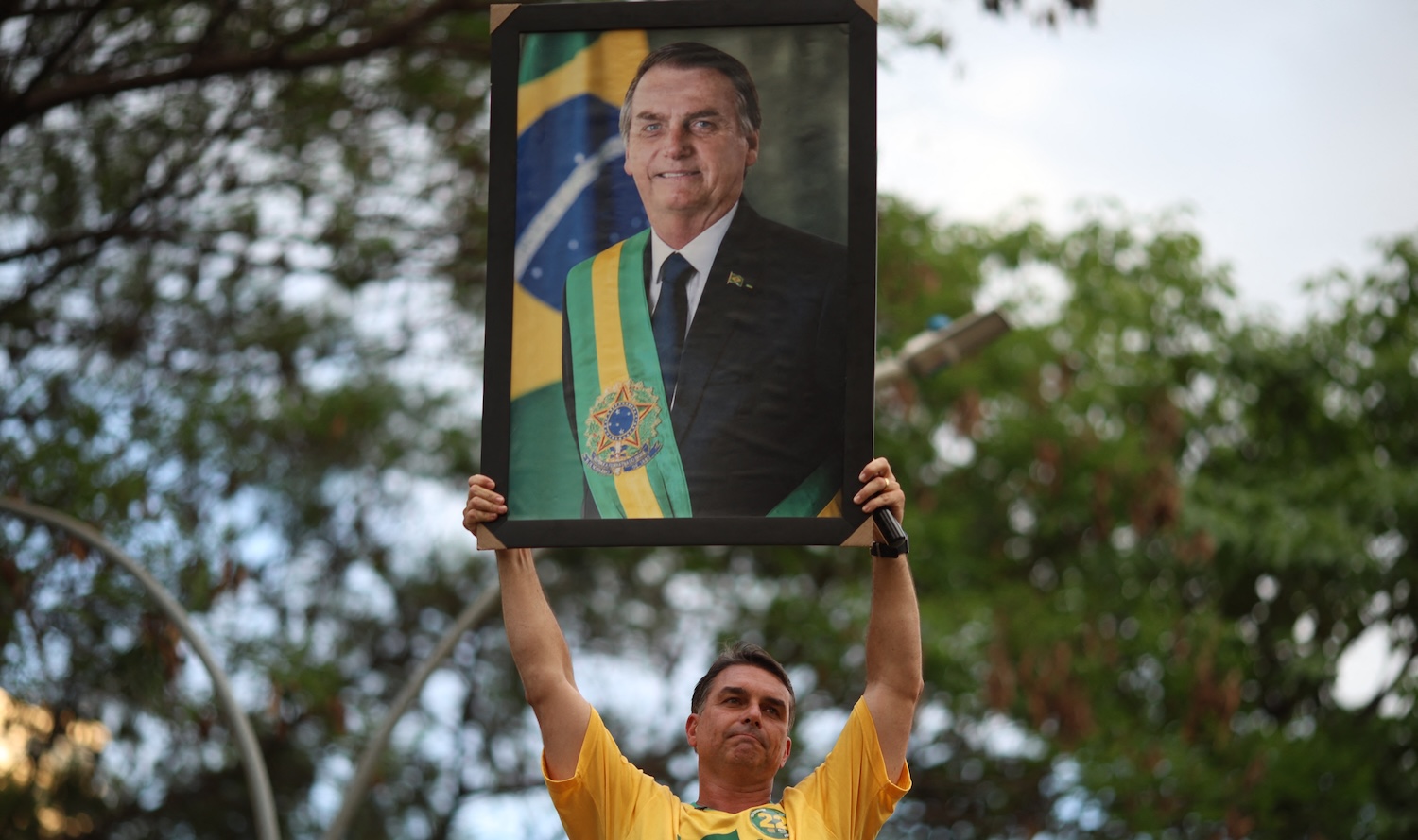
Brazil's Presidential Election Reflects Broader Right-Wing Trends in Latin America
The Brazilian presidential election is poised to reflect a significant shift in the political landscape of Latin America, with Flavio Bolsonaro, the son of former president Jair Bolsonaro, as a leading candidate. His rise comes amid a broader trend of right-wing governance across the region, particularly influenced by the Trump administration.
Flavio Bolsonaro's campaign has been marked by controversial proposals, including the militarization of police forces and the establishment of mega-prisons. His political ascent follows a tumultuous period for Brazil, where his father was sentenced to prison for attempting to undermine democracy. The election's outcome could solidify right-wing dominance in South America, especially if Flavio wins against incumbent Luiz Inácio Lula da Silva.
As Brazil approaches the final voting round, the implications of this election extend beyond national borders, potentially affecting environmental policies and regional stability. Under Lula, deforestation rates in the Amazon decreased, while a Bolsonaro victory could reverse these gains, raising concerns about the future of the rainforest and broader environmental issues.
