Colin Kaepernick's Protest: A Decade of Impact and Reflection
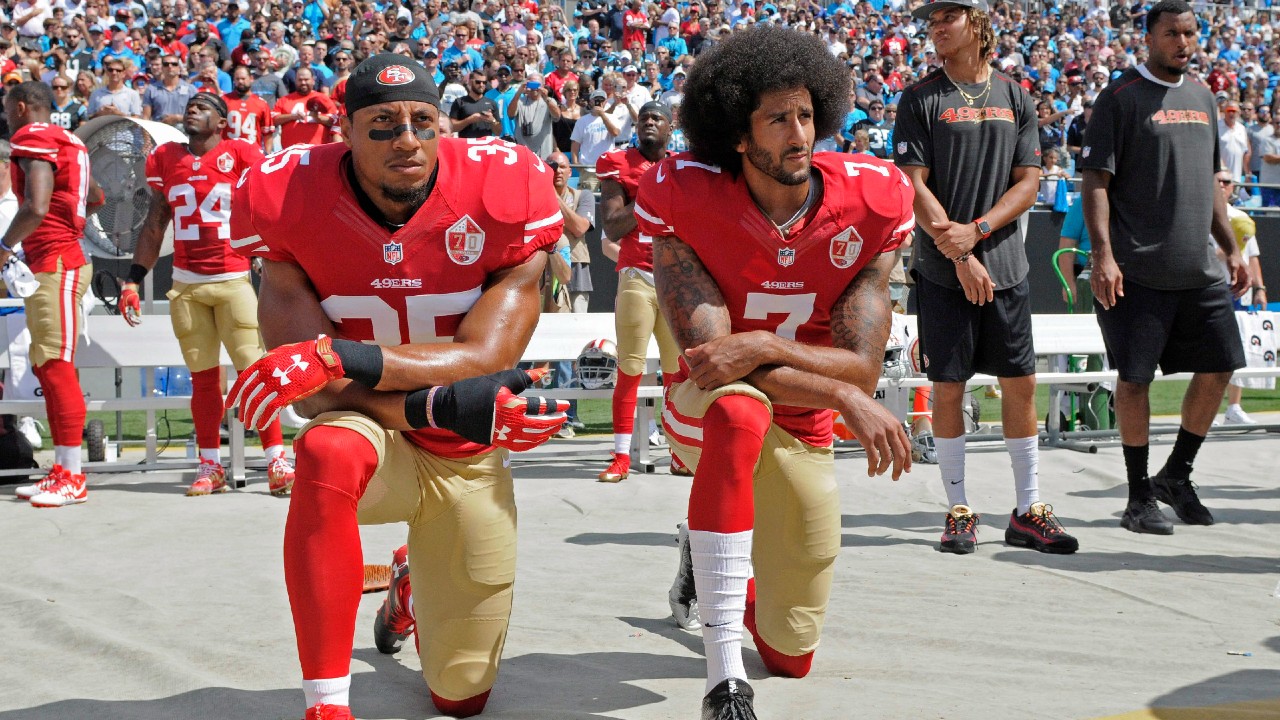
Colin Kaepernick's decision to kneel during the national anthem on September 1, 2016, while playing for the San Francisco 49ers, aimed to highlight social issues such as racial injustice and police brutality. This act, which followed two previous games where he sat on the bench, was influenced by a conversation with former NFL player Nate Boyer, who suggested kneeling as a more respectful form of protest.
Despite Kaepernick's intentions to spark dialogue, his protest became a focal point of controversy, drawing criticism from various quarters, including political figures and fans. The backlash ultimately affected his career, leading to his exit from the NFL after the 2016 season, despite his previous success as a quarterback.
As Kaepernick's activism continued, he and former teammate Eric Reid filed a lawsuit against the NFL, alleging collusion to keep them out of the league. Although a settlement was reached in 2019, Kaepernick's absence from professional football remains a topic of discussion, with many questioning why a talented player has not been signed since. His legacy, however, has inspired a new generation of athletes to engage in social activism.
