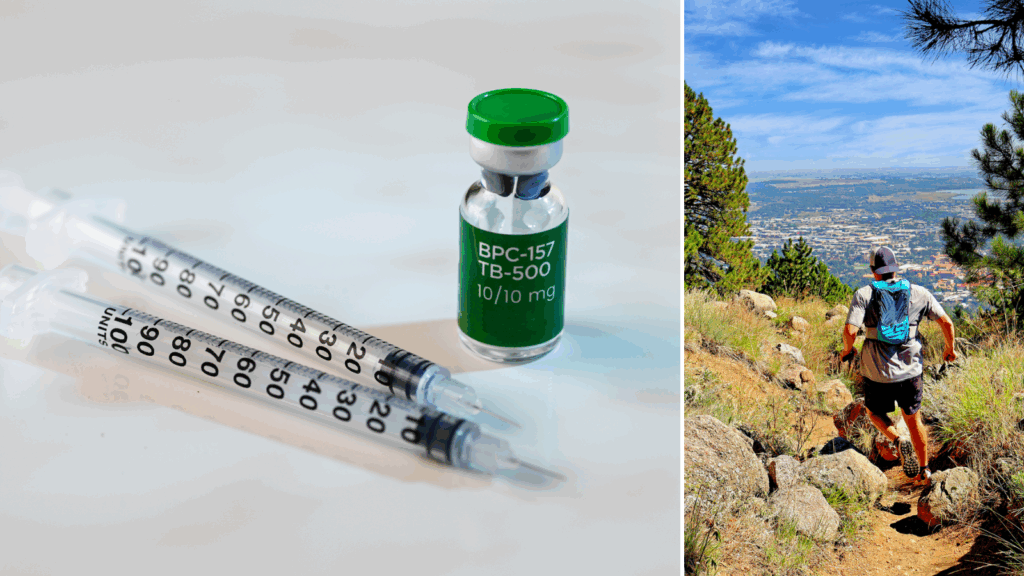
Debate Over BPC-157 Usage in Ultra-Running Raises Questions for Triathlon
Recently, the ultra-running community faced significant scrutiny after a prominent runner disclosed his use of BPC-157, a banned peptide, during a podcast. This revelation has sparked intense discussions regarding the substances listed by the World Anti-Doping Agency (WADA) and their applicability to various endurance sports, including triathlon.
BPC-157, a synthetic peptide derived from gastric juice, has limited research backing its efficacy and safety, with only one human study involving twelve participants. Despite its potential benefits in healing injuries, it is not FDA approved and is classified as prohibited by WADA due to its lack of regulatory approval for human use.
The controversy intensified when Mike McKnight revealed he used BPC-157 to recover from a herniated disc, which allowed him to avoid surgery. His admission, along with that of another athlete, has divided opinions within the ultra-running community regarding the ethical implications of using such substances for medical reasons versus performance enhancement. The ongoing debate highlights the complexities of anti-doping regulations and their enforcement across different levels of competition.
