Exploring the Legacy of Red Vienna's Social Housing
The architectural legacy of Red Vienna, a period marked by significant social housing initiatives in the early 20th century, continues to resonate today. The Social Democratic Workers’ Party of Austria implemented reforms from 1918 to 1934 that aimed to address severe housing shortages and improve living conditions amidst post-war challenges.
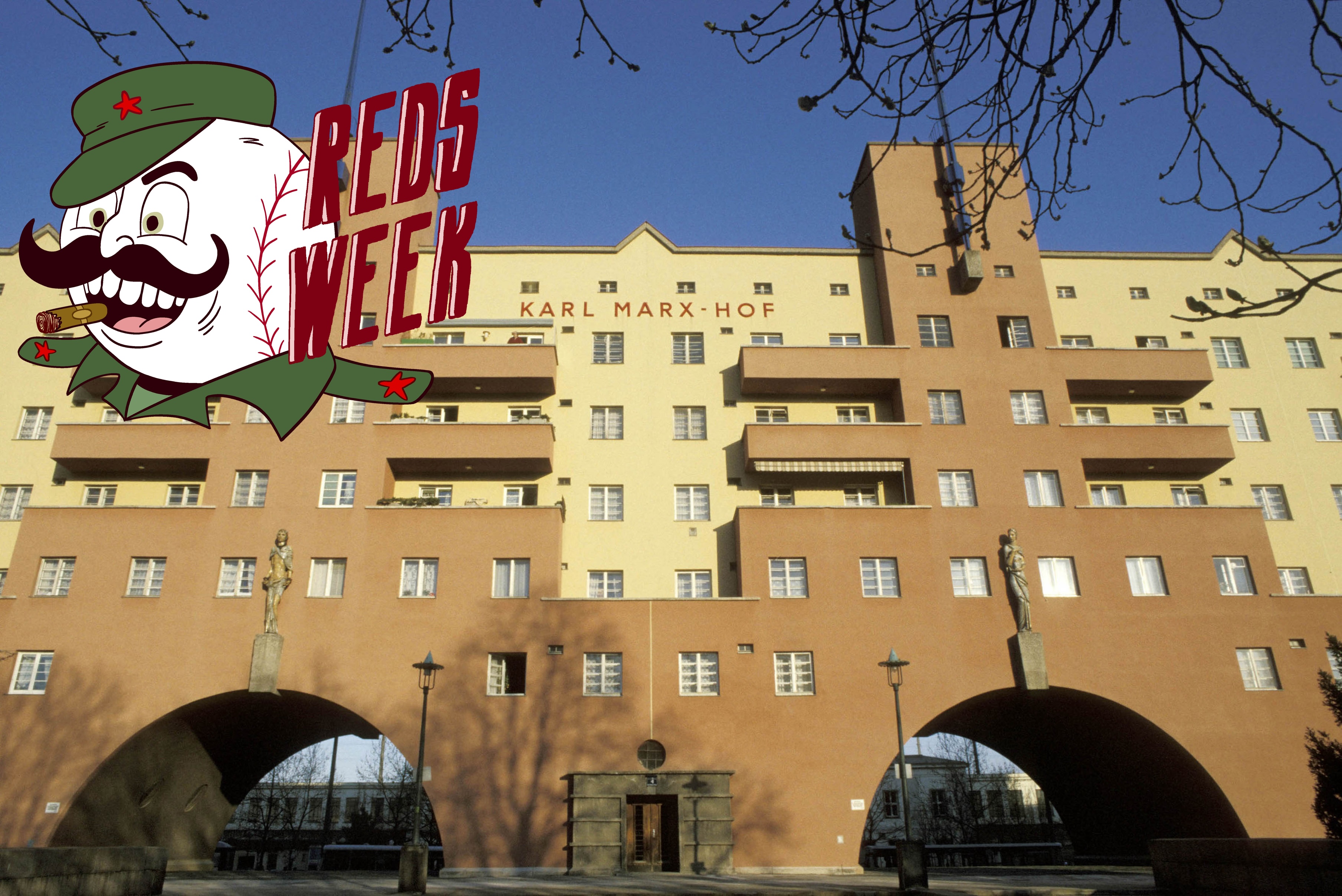
Despite facing hyperinflation and overcrowding, the SDAP recognized housing as essential for human dignity and social stability. They introduced luxury taxes on the wealthy to fund public housing projects, creating a network of communal resources such as parks and kindergartens. This approach led to the construction of iconic buildings, including the Karl Marx Hof, which remains a symbol of Red Vienna.
Today, approximately 60% of Vienna's residents live in social housing, a system that has largely resisted privatization. The enduring presence of these structures reflects a commitment to public well-being and the belief that a better living environment is achievable, emphasizing the importance of community-focused architecture.
