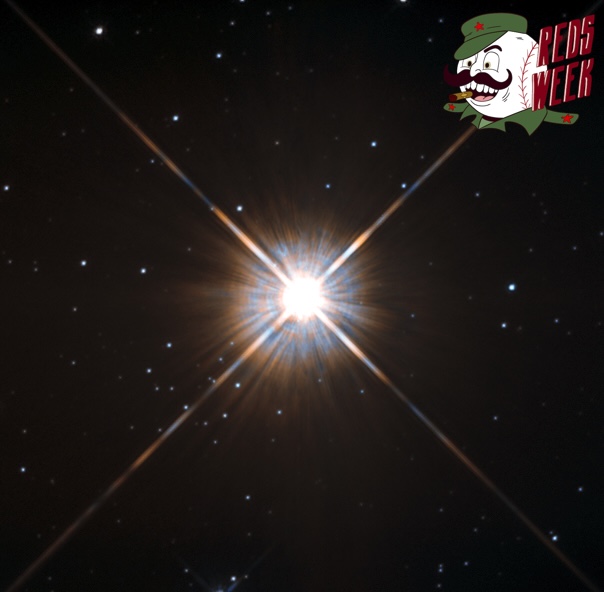
Red Dwarfs: The Long-Lived Stars of the Universe
Red dwarfs, including Proxima Centauri, are the smallest and longest-living stars in the universe, expected to outlast other types of stars. While the universe is approximately 13.8 billion years old, red dwarfs may continue to exist for about 10 trillion years, far exceeding the lifespans of larger stars like our Sun.
These stars are characterized by their ability to sustain nuclear fusion over extended periods, as their entire structure allows for the recycling of hydrogen fuel. Although they are not visible to the naked eye, red dwarfs make up about three-quarters of the stars in our galaxy.
Proxima Centauri, the closest star to Earth, is a red dwarf that has at least two confirmed planets, one of which, Proxima Centauri b, is located in the habitable zone. However, conditions around red dwarfs may pose challenges for the development of life due to tidal locking and high-energy flares.