Scientists Highlight Nature Recovery Potential Amid Biodiversity Crisis
A recent report from the World Wildlife Fund (WWF) indicates that significant changes in global food production are essential to prevent a biodiversity crisis. The study highlights that while many animal populations have drastically declined, successful conservation efforts have led to recoveries in species such as wild tigers, bluefin tuna, and green sea turtles.
The WWF's analysis of nearly 36,000 animal populations revealed an average decline of 73% since 1970, with freshwater wildlife suffering the most severe losses. Regions like Latin America and the Caribbean saw a staggering 95% drop in land and freshwater wildlife populations. The report warns that biodiversity loss poses a direct threat to the global economy, with about half of the world's GDP reliant on nature.
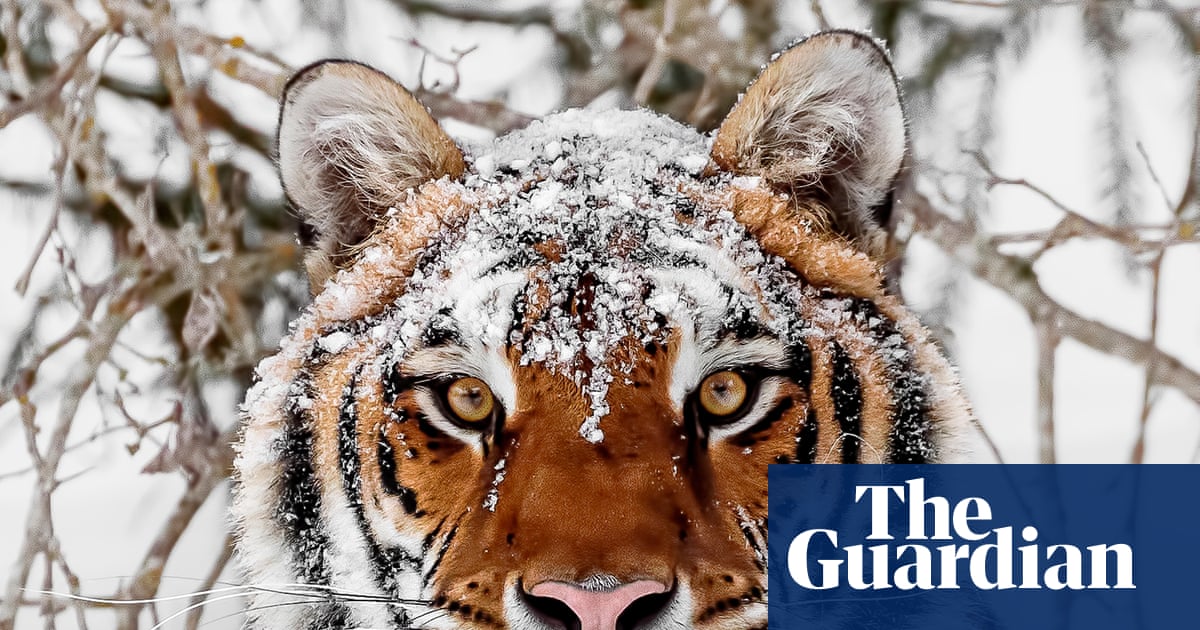
Despite the alarming trends, the report cites successful conservation stories, including a 70% increase in the wild tiger population due to targeted efforts. The green sea turtle has also been downlisted from endangered to least concern, reflecting decades of conservation work. Experts stress that while these recoveries are promising, a fundamental transformation in food production practices is crucial for long-term sustainability.
