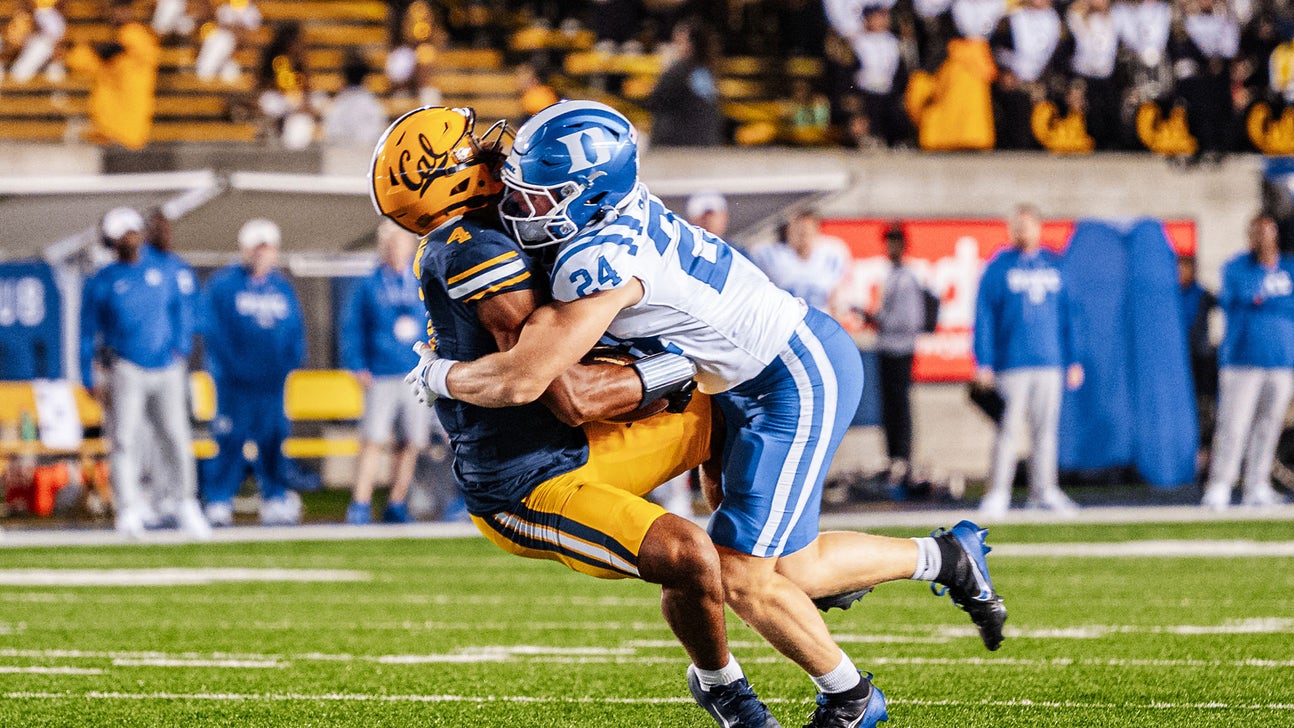
Understanding Targeting in College Football: Rule Changes Explained
The targeting rule in college football remains a contentious topic as the 2023 season unfolds, despite recent adjustments aimed at clarifying its application. This rule is designed to enhance player safety by penalizing forcible contact that exceeds standard legal tackles.
Targeting occurs when a player initiates contact with the crown of their helmet or makes contact above the shoulders of a defenseless opponent. Officials must identify at least one indicator of targeting for a foul to be called, and instant replay is required to confirm such calls.
This season, changes to penalties have been implemented. A player disqualified for targeting in the second half will not face a suspension for the first half of the next game unless they commit a second targeting foul that season. If a player accumulates three targeting penalties, they may face a one-game suspension, subject to an appeal process. These modifications are part of an experimental rule set for 2026, which aims to assess the impact of these changes on player behavior.
